How the US-Iran War Emptied India’s LPG Cylinders in Just 13 Days
On February 28, 2026, the United States and Israel launched coordinated airstrikes on Iran — codenamed Operation Epic Fury. Within 13 days, the ripple effects had reached every kitchen, tea stall, and restaurant across India. From the bylanes of Bhopal to the dosa chains of Mumbai and Delhi, from the pani puri stalls of Jaipur to the hotel lobbies of Bengaluru — India’s LPG crisis had arrived, uninvited and devastating.
The 90% Problem — India’s Strait of Hormuz Dependency
India imports roughly 67% of its LPG requirements, with about 90% of these imports transiting through the Strait of Hormuz. When Iran effectively closed this narrow waterway in retaliation for the airstrikes, India’s entire cooking fuel supply chain froze overnight. Brent crude surged from $80 to $120 per barrel between March 2 and March 9, and household spending on cooking fuel rose by 7% in that period.
Ground Reality — City by City
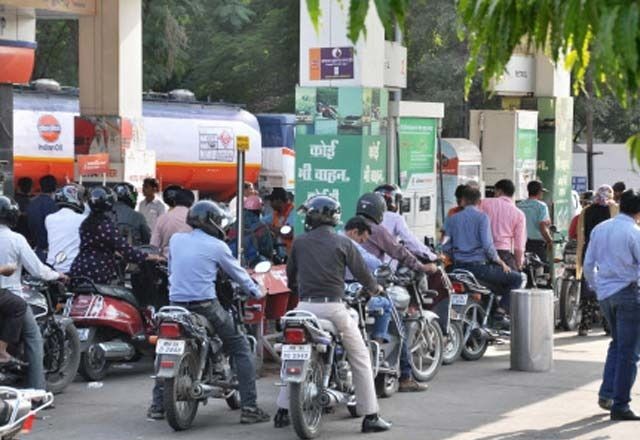
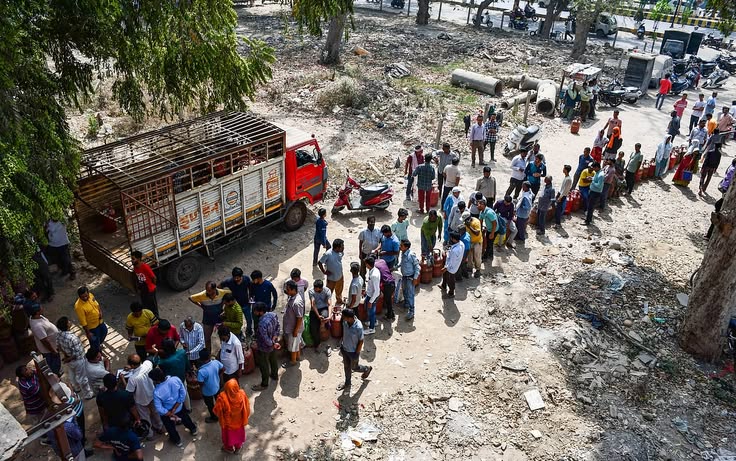
LPG deliveries faced widespread delays of 7 to 14 days as Hormuz disruptions choked imports. Households were prioritised with enforced minimum booking gaps of 25 days in cities and 45 days in rural areas to curb panic demand.
In Bengaluru, auto-rickshaw drivers took to the streets holding placards, protesting the shortage. In Chennai, nearly 10,000 establishments were on the verge of shutting down, including the majority of small and medium-sized restaurants. In Bhopal, pani puri vendors and tea stall owners saw supplies slow sharply, with many forced to reduce operations or close stalls altogether.
In Jaipur, Chetan Singh, owner of Gulabji Chai, said the LPG shortages forced them to remove iconic items like bun butter and samosa from the menu. In Mumbai, Akhil Iyer’s Benne Dosa chain stopped selling dosas at one branch after running down to their last cylinder.
The Black Market & the Government Crackdown
The price for a 14.2 kg cylinder reached ₹4,000 on the black market. Desperate buyers, unable to wait 25 days, turned to grey markets. The government hit back hard. Authorities invoked the Essential Commodities Act, conducting over 12,000 raids and seizing more than 15,000 cylinders to combat hoarding and black marketing across India. Penalties for hoarding were made clear — up to 7 years in jail.
Households vs Restaurants — The Brutal Priority Call
India’s Ministry of Petroleum directed oil refineries to prioritise supplying LPG to 330 million households that use it as a primary cooking fuel, over 3 million businesses using commercial cylinders. Commercial LPG allocations were initially slashed by up to 80%, forcing closures or shifts to firewood and coal across major metros.
The Unlikely Heroes — Ships Nanda Devi & Shivalik
Relief finally arrived when two state-owned LPG tankers — Nanda Devi and Shivalik — were granted safe transit through the Strait of Hormuz, carrying 92,712 metric tons of LPG to India. It was a diplomatic win, but 22 India-flagged vessels remained stuck in the Persian Gulf, including six LPG vessels, one LNG carrier, and four crude oil tankers.
The Silver Lining — India’s Forced Energy Revolution
Induction stove sales jumped 30-fold on Amazon, while Flipkart reported a four-times increase in demand. Quick-commerce platforms including Blinkit, Zepto, and Swiggy Instamart sold out in major metros, and retailers in Chennai reported a 300% jump in sales of induction cooktops.
This crisis, painful as it is, may finally force India to diversify its energy sources, invest in PNG infrastructure, and reduce the dangerous over-dependence on one narrow waterway.
One strait closed. One billion people woke up. India’s energy policy will never be the same.