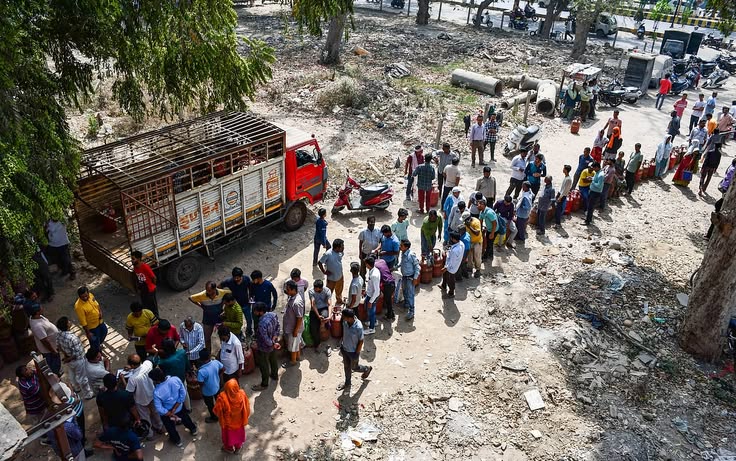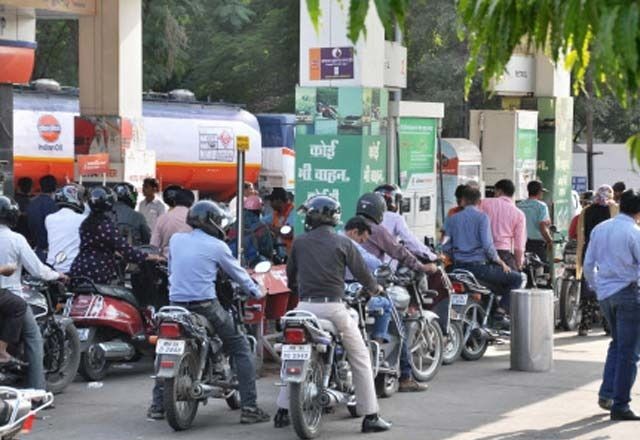

In the early hours of February 28, 2026, the US and Israel launched coordinated airstrikes on Iran — codenamed Operation Epic Fury. Within hours, Dalal Street was in chaos. The Sensex crashed over 2,700 points, the Nifty 50 saw a 7% drawdown, and India VIX — the fear index — surged nearly 19.5% in a single session. For Indian investors, this wasn’t just geopolitical news from a distant region — it was a direct hit to their portfolios.
Why India Is So Vulnerable
India’s exposure to the Middle East conflict runs deep. India imports 85% of its crude oil, with 50% of that transiting through the Strait of Hormuz — a narrow waterway now disrupted by the conflict. Crude oil prices surged sharply by more than 15% as a result of the conflict, with the Strait of Hormuz handling about 20% of global oil transportation. When that route faces risk, India’s entire energy economy feels the pressure.
Dalal Street’s Reaction — Sector by Sector
The pressure wasn’t limited to one sector. Banking stocks, IT, and energy counters all saw selling. But the damage was not uniform. Aviation was among the hardest hit — IndiGo stock fell 9.15% in a single day. Defence stocks like HAL and Bharat Dynamics surged due to emergency government procurement of ₹80,000 crore.
L&T, which derives over 54% of its international revenues from the Middle East, crashed 7.5% intraday on BSE on March 2 as investors feared that infrastructure projects in the Gulf region could slow down. IT giants like TCS also came under pressure, given their exposure to Gulf-region clients.
On the positive side, upstream oil companies like ONGC and Oil India benefited from elevated crude prices, and gold surged to ₹1.89 lakh per 10 grams.
FII Selling & the Rupee Crisis
FII outflows exceeded ₹60,000 crore in the March series, putting immense pressure on Indian indices. The rupee is the worst performing emerging market currency in 2026 , with analysts projecting it could touch ₹96 to the dollar if the conflict prolongs. A weaker rupee makes oil imports even more expensive — creating a vicious cycle for the Indian economy.
History Says: Don’t Panic
An analysis of six major geopolitical events between 1990 and 2026 shows that markets often recover strongly — delivering an average 28% return over 3 months and 38% over 6 months after the initial correction. The Russia-Ukraine crash of 2022 followed a similar pattern — Nifty fell sharply, then recovered all losses within weeks as FII outflows reversed.
The current pattern mirrors the Russia-Ukraine template, where Auto, Metals, and Financials later led the recovery.
What Should Indian Investors Do Now?
Stay diversified. Avoid panic selling. Consider defensive bets like ONGC, gold ETFs, and defence PSUs. The geopolitical storm is real — but so is India’s long-term growth story. As history shows, those who stayed invested through the noise came out stronger.
Dalal Street has weathered wars before. This time will be no different.